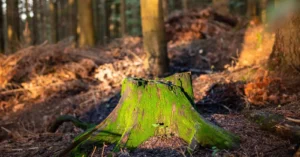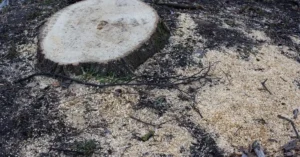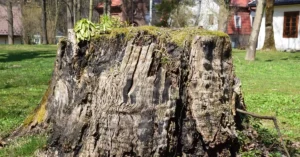
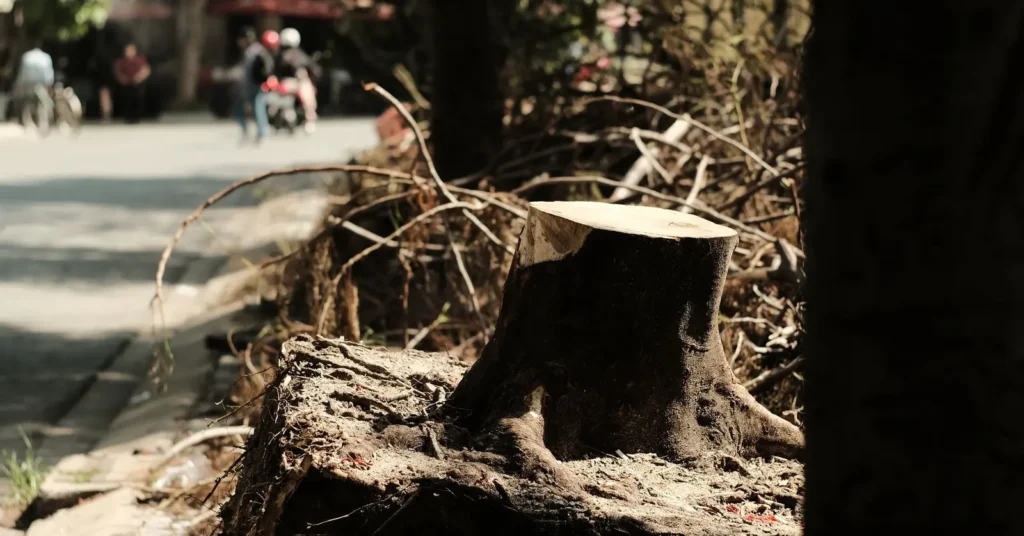
The honest answer is that stump removal cost in Dublin comes down to three things: the size of the stump, the method used to get rid of it, and how hard it is for us to get a machine to it. A small stump in an open front garden in Swords is a different job entirely to a wide oak stump wedged between a patio and a boundary wall in Dundrum. We can’t give you a figure without seeing the job, but we can tell you exactly what pushes the price up or down so you know what to expect when you ask for a quote.
What Actually Decides the Price of Stump Removal in Dublin
After 28 years of doing this work across Dublin, the quote we give almost always comes back to access, root spread, and species. A beech or sycamore stump has a shallow but wide root plate that can run several metres from the trunk, which means more grinding passes and more time on site. A smaller ornamental tree, the kind planted in front gardens across newer Dublin estates, usually grinds out in a fraction of the time. Stump diameter at ground level is the figure we ask for over the phone or by email, because it’s the single biggest factor in working out machine time.
Ground conditions matter too. Dublin’s clay-heavy soil holds moisture for most of the year, and a wet autumn (which we get plenty of) makes a grinder’s job slower and messier than it would be on dry, sandy ground. If a stump sits near a wall footing, a path, or a buried cable, we have to slow right down and work carefully, and that adds time rather than danger to the job.
Stump Grinding vs Full Stump Removal: What’s the Difference
These two terms get used interchangeably by homeowners but they’re not the same job, and the cost logic is different for each.
Stump grinding uses a machine to chew the stump and the main surface roots down below ground level, usually 15 to 30cm, and backfills the hole with the resulting wood chip and soil. It’s quicker, less disruptive to the surrounding lawn, and the right choice for most Dublin gardens where you plan to lay turf, gravel, or a raised bed over the spot afterwards. See our stump grinding page for how we approach this.
Full stump removal means digging out the entire root ball, sometimes with an excavator if access allows. It’s a bigger, messier, more expensive job, and it’s really only necessary if you’re about to build on that exact spot, lay a foundation, or you’re dealing with a species known for aggressive regrowth from the roots, like willow or some poplars.
For most homeowners asking us to tidy up a garden or clear a spot for planting, grinding is the practical and more affordable route. We’ll tell you plainly if your situation actually needs a full dig-out, because most don’t.
Why Dublin Gardens Are Often Trickier Than People Expect
A lot of the cost guides you’ll find online are written with a generic suburban garden in mind, acres of open lawn with a machine driven straight up to the stump. That’s rarely how it goes here. Dublin housing stock, especially in areas like Rathmines, Drumcondra, and Glasnevin, was built close together with narrow side access, shared laneways, or steps up from the road. Getting a stump grinder through a 70cm gate, or carrying it over a granite step in a period Dublin terrace, takes planning and sometimes a smaller machine, which can change the time (and therefore the price) of the job.
In the newer estates around Swords or Stillorgan, access is usually easier but the stumps are often younger, smaller trees removed as part of garden landscaping, which tends to keep jobs on the quicker end. Older, leafier suburbs like Dundrum, Blackrock, and Terenure more often have mature trees that have come down or been felled, with correspondingly bigger root systems underneath.
What Pushes the Cost Up or Down
- Stump diameter: wider stumps need more grinding passes and more time.
- Species: trees with wide, fibrous root plates (sycamore, beech, ash) generally cost more to grind than narrower-rooted species.
- Access: narrow side entries, steps, or a stump in a back garden with no vehicle access can add to the job.
- Number of stumps: grinding several stumps in the one visit is almost always cheaper per stump than one-off call-outs.
- Ground obstacles: nearby walls, drains, paths or cables mean slower, more careful work.
- What you want done with the waste: leaving the wood chip in the hole is quicker and cheaper than hauling it away.
Stump Size, Roughly Speaking
We tend to think in three rough bands, though every job still gets its own look before we quote. Small stumps, under about 30cm across, from shrubs or young trees removed in a garden tidy-up, are the quickest jobs on our list. Medium stumps, roughly 30 to 60cm, cover most mature garden trees like apple, birch, or smaller conifers. Large stumps, over 60cm, are typically oak, beech, sycamore or old conifers that have been in the ground for decades, and these take the longest machine time and the most care around access.
None of these bands come with a fixed price attached, because access and species shift the time needed either way. The only reliable way to know what your job will cost is to send us a photo and a rough measurement, or have us call out and look, through our contact page.
Is It Worth Doing Yourself?
We get asked this a lot, usually by someone who’s priced a hire grinder for the weekend. Our honest view: for a small, isolated stump in open ground, a competent DIYer with the right safety gear can manage it. For anything near a boundary, a cable, a path, or anything over medium size, we’d steer you away from it. Stump grinders throw debris at speed, the machines are heavier and less forgiving than they look in a hire shop video, and a poorly ground stump often regrows or leaves a hidden root hazard under the lawn that surfaces (literally) a year or two later. We’ve been called out plenty of times to finish a DIY job that went sideways.
Getting a Proper Quote
We’ve been removing stumps and carrying out tree surgery across Dublin for over 28 years, and we’re qualified, insured and our work is fully guaranteed. If you want an honest figure for your own stump rather than a generic range, have a look at our stump removal services page and get in touch through our contact page with a photo of the stump and a rough sense of access. We’ll give you a straight answer, including whether grinding or full removal actually suits your garden, before any work starts.
Frequently Asked Questions
How long does stump grinding actually take?
A single small to medium stump with good access can often be done within an hour or two. Larger stumps, multiple stumps, or jobs with tricky access can run longer. We’ll give you a realistic time estimate alongside your quote.
Do I need planning permission to remove a stump?
Generally no, stump removal itself is not something that needs planning permission in Ireland. If the tree was subject to a preservation order, or sat within a conservation area, it’s worth checking the position with your local authority before any ground disturbance work goes ahead.
Will the stump grow back if I only grind it?
Grinding removes the stump and the main surface roots below ground level, which stops regrowth in almost all cases. A small number of species, willow being the classic example, can occasionally send up suckers from leftover root fragments further out in the lawn, but this is uncommon and easily dealt with if it happens.
What happens to the wood chip after grinding?
We can leave it in the hole as backfill, which is the cheaper option and works well if you’re reseeding or putting down gravel. If you’d prefer it cleared away entirely, we can remove it, which adds a bit to the job but leaves a cleaner finish.
Can you grind a stump that’s close to my house or a wall?
In most cases yes, though we work more slowly and carefully near foundations, walls, and services like drains or cables. Let us know about anything buried nearby when you book, so we can plan the approach properly.
Is stump grinding or full removal better before building a shed or patio?
If you’re laying a light structure like a shed base or decking, grinding below ground level is usually sufficient. If you’re putting in a concrete foundation or anything load-bearing directly over the old root area, full removal is the safer choice to avoid future settling.